Your Human bones vs animal bones images are ready. Human bones vs animal bones are a topic that is being searched for and liked by netizens now. You can Download the Human bones vs animal bones files here. Download all free images.
If you’re looking for human bones vs animal bones images information related to the human bones vs animal bones interest, you have come to the right blog. Our site always gives you hints for seeking the highest quality video and image content, please kindly surf and locate more enlightening video articles and graphics that fit your interests.
Human Bones Vs Animal Bones. Whilst identifying complete bones seems relatively simple fragmentary remains can be surprisingly difficult. The adult human body houses 206 bones while the dogs body generally has 319. Difference between human and non-human animal bone structure therefore principally relates to density. Human skeleton refers to the internal framework of the human body composing of 206 bones while animal.
 I Thought This Showed A Cool Comparison We Have Been Learning Different Bones Of Animals Such As A Bird And This Shows Th Horse Anatomy Horse Therapy Anatomy From pinterest.com
Foot is long and narrow weight borne on heel and toes. The human bones and sheep humerus conform to the perceived directionality but the pig bones and sheep femur do not. The three levels of classification help make distinctions among the most similar animal and human bones. Human and animal bones are distinguished by gross skeletal anatomy bone microstructure and bone macrostructure. Sacrum with 5 fused vertebrae short and broad. Whilst identifying complete bones seems relatively simple fragmentary remains can be surprisingly difficult.
This is because of the evolutionary process of inheriting characteristics and traits from successive generations that all lead back to a common ancestor.
Human skeleton refers to the internal framework of the human body composing of 206 bones while animal. The three levels of classification help make distinctions among the most similar animal and human bones. The human skeleton of an adult consists of around 206 to 213 bones and there are 300 bones in children depending on the counting of sternum which may alternatively be included as the manubrium body of sternum and the xiphoid process. Note the very long forearm bones of the. It helps keep us nimble. Foot is long and narrow weight borne on heel and toes.
 Source: pinterest.com
If we are looking at the bones of humerus and forearm of from left orangutan gorilla human and chimpanzee we can easily see how weak humans are especially in our forearm regionThe gorilla is totally outstanding. There are various points at which you can tell the difference. -cortical bone much thicker in animal long bones than in human humeral and femoral cortical thickness in humans is about ¼ of total diameter -cranial bone diploe relative to cranial cortical tabular bone is thinner in animals compared to humans. They are less porous and are thicker in cross section than the bones of humans. But we have all evolved in response to particular ways of life and environments so human and animal bones differ in internal structure density and shape.
 Source: pinterest.com
The human skeleton is an endoskeleton while vertebrates have. A trained scientist can easily identify them. The human skeleton of an adult consists of around 206 to 213 bones and there are 300 bones in children depending on the counting of sternum which may alternatively be included as the manubrium body of sternum and the xiphoid process. It helps keep us nimble. Pelvis is broad and short bowl-shaped.
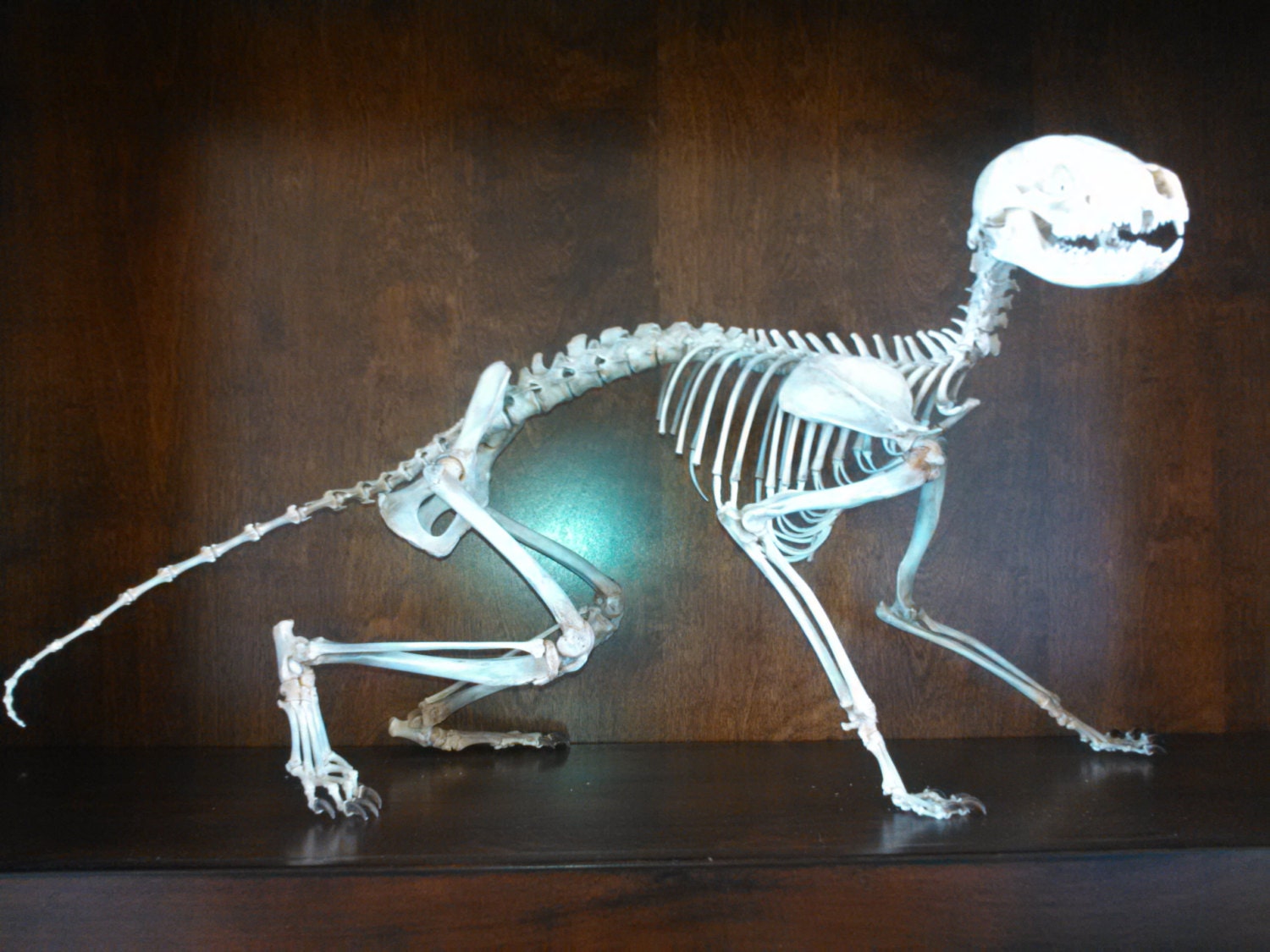 Source: pinterest.com
For most animals the differences are pronounced. Variation in bone tissue appearance throughout the skeleton with-in a specific bone and even a portion of a single bone 22. Humans and animals share the same basic muscles and bones but they appear at different sizes proportion and ratios based on the animal. It is composed of 300 bones at birth but later decreases to 80 bones in the axial skeleton and 126 bones in the appendicular skeleton. In humans they are generally the longest bone whereas in animals they are relatively short to the body size.
 Source: pinterest.com
Vertebrates animals with bones share common origins. It helps keep us nimble. This review brings together a complex and extensive literature to address the question of whether it is possible to distinguish human from nonhuman bone using the histological appearance of cortical bone. Human Animal Upper limbs less robust Robust upper limbs Radius and ulna are separate bones Radius and ulna often fused Large flat and broad vertebral bodies with short spinous processes Small vertebral bodies with convexconcave surfaces and long spinous processes Sacrum with 5. A trained scientist can easily identify them.
 Source: pinterest.com
The bones in your hand have the same layout as those in bat wings and in the fins of whales for instance. Vertebrates animals with bones share common origins. The following differences can help you make the correct identification. According to Arizona State Museum the most common human bones to be mistaken for animal bones are the bones of infants. Amongst the parameters measured in the CT analysis the angle of the canal had a discriminatory power.
 Source: pinterest.com
Vertebrates animals with bones share common origins. This review focuses on the utilization of histology to differentiate human from nonhuman bone and the potential variation in cor-tical bone microstructure that is dependant upon its anatomical and individual origin. There are an enormous amount of traits that humans and animals share. Difference Between Human and Animal Skeletons Definition. Whilst identifying complete bones seems relatively simple fragmentary remains can be surprisingly difficult.
 Source: pt.pinterest.com
But we have all evolved in response to particular ways of life and environments so human and animal bones differ in internal structure density and shape. If we are looking at the bones of humerus and forearm of from left orangutan gorilla human and chimpanzee we can easily see how weak humans are especially in our forearm regionThe gorilla is totally outstanding. There are various points at which you can tell the difference. According to Arizona State Museum the most common human bones to be mistaken for animal bones are the bones of infants. Femur is longest bone in body linea aspera is singular feature.
Source: pinterest.com
Because animals bones are denser the cortical area will make up about 12 of the thickness of the. The bones in your hand have the same layout as those in bat wings and in the fins of whales for instance. If we are looking at the bones of humerus and forearm of from left orangutan gorilla human and chimpanzee we can easily see how weak humans are especially in our forearm regionThe gorilla is totally outstanding. For most animals the differences are pronounced. Whilst identifying complete bones seems relatively simple fragmentary remains can be surprisingly difficult.
 Source: pinterest.com
Human skeleton refers to the internal framework of the human body composing of 206 bones while animal. This review focuses on the utilization of histology to differentiate human from nonhuman bone and the potential variation in cor-tical bone microstructure that is dependant upon its anatomical and individual origin. According to Arizona State Museum the most common human bones to be mistaken for animal bones are the bones of infants. We cats for example have more bones in our spine than humans do. It helps keep us nimble.
 Source: pinterest.com
Human and animal bones are distinguished by gross skeletal anatomy bone microstructure and bone macrostructure. -cortical bone much thicker in animal long bones than in human humeral and femoral cortical thickness in humans is about ¼ of total diameter -cranial bone diploe relative to cranial cortical tabular bone is thinner in animals compared to humans. Even the forearms bones of the chimpanzee indicate an incredible arm and grip strenght. Variation in bone tissue appearance throughout the skeleton with-in a specific bone and even a portion of a single bone 22. Macroscopic analysis revealed the femora nutrient foramina are more proximal whereas humeri foramina are more distal.
 Source: pinterest.com
Human and animal bones are distinguished by gross skeletal anatomy bone microstructure and bone macrostructure. Humans have 206 bones while the average cat has about 244 bones. Macroscopic analysis revealed the femora nutrient foramina are more proximal whereas humeri foramina are more distal. It helps keep us nimble. This is because of the evolutionary process of inheriting characteristics and traits from successive generations that all lead back to a common ancestor.
 Source: pinterest.com
Human and animal bones are distinguished by gross skeletal anatomy bone microstructure and bone macrostructure. Radius and ulna are separate bones. Difference Between Human and Animal Skeletons Definition. Large trochanter at its upper head portion compared to animal bones Also the upper head portion of a human femur is angular while animal bones have a more flat upper head portion The lower leg bones tibia of animal have multiple notches upon their upper portion while human bones do not. Because animals bones are denser the cortical area will make up about 12 of the thickness of the.
 Source: pinterest.com
This review brings together a complex and extensive literature to address the question of whether it is possible to distinguish human from nonhuman bone using the histological appearance of cortical bone. This review brings together a complex and extensive literature to address the question of whether it is possible to distinguish human from nonhuman bone using the histological appearance of cortical bone. Difference Between Human and Animal Skeletons Definition. Humans and animals share the same basic muscles and bones but they appear at different sizes proportion and ratios based on the animal. The pelvis is long and narrow instead of short and bowl-shaped.
 Source: pinterest.com
Human skeleton refers to the internal framework of the human body composing of 206 bones while animal. Whilst identifying complete bones seems relatively simple fragmentary remains can be surprisingly difficult. Humans and other mammals share the same distant ancestors so our bones are almost identical to theirs in form and function. Separate tibia and fibula. - Non human animal bones have a greater density relative to size.
 Source: pinterest.com
The skeletal structure of almost every mammal if based on the same design. Vertebrates animals with bones share common origins. Some human and animal bones are quite similar making it difficult to identify isolated and fragmentary bones in the lab and the field. Pelvis is broad and short bowl-shaped. They are less porous and are thicker in cross section than the bones of humans.
 Source: de.pinterest.com
In humans they are generally the longest bone whereas in animals they are relatively short to the body size. Vertebrates animals with bones share common origins. Separate tibia and fibula. The following differences can help you make the correct identification. In humans they are generally the longest bone whereas in animals they are relatively short to the body size.
 Source: pinterest.com
Large flat and broad vertebral bodies with short spinous processes. Humans and animals share the same basic muscles and bones but they appear at different sizes proportion and ratios based on the animal. About Press Copyright Contact us Creators Advertise Developers Terms Privacy Policy Safety How YouTube works Test new features Press Copyright Contact us Creators. Humans and other mammals share the same distant ancestors so our bones are almost identical to theirs in form and function. We cats for example have more bones in our spine than humans do.
 Source: pinterest.com
There are various points at which you can tell the difference. If we are looking at the bones of humerus and forearm of from left orangutan gorilla human and chimpanzee we can easily see how weak humans are especially in our forearm regionThe gorilla is totally outstanding. This review brings together a complex and extensive literature to address the question of whether it is possible to distinguish human from nonhuman bone using the histological appearance of cortical bone. Human vs animal remains Distinguishing between human and animal bones whilst still on site is important for many reasons not least of them legal burial licences etc. - Non human animal bones have a greater density relative to size.
This site is an open community for users to submit their favorite wallpapers on the internet, all images or pictures in this website are for personal wallpaper use only, it is stricly prohibited to use this wallpaper for commercial purposes, if you are the author and find this image is shared without your permission, please kindly raise a DMCA report to Us.
If you find this site serviceableness, please support us by sharing this posts to your own social media accounts like Facebook, Instagram and so on or you can also save this blog page with the title human bones vs animal bones by using Ctrl + D for devices a laptop with a Windows operating system or Command + D for laptops with an Apple operating system. If you use a smartphone, you can also use the drawer menu of the browser you are using. Whether it’s a Windows, Mac, iOS or Android operating system, you will still be able to bookmark this website.


