Your How do you identify burrowing animal holes images are ready. How do you identify burrowing animal holes are a topic that is being searched for and liked by netizens today. You can Get the How do you identify burrowing animal holes files here. Find and Download all royalty-free photos and vectors.
If you’re searching for how do you identify burrowing animal holes images information linked to the how do you identify burrowing animal holes topic, you have pay a visit to the ideal site. Our site frequently gives you hints for seeking the maximum quality video and image content, please kindly surf and find more enlightening video content and graphics that match your interests.
How Do You Identify Burrowing Animal Holes. Chipmunk holes will be 15 inches with no dirt on the outside. Use the links above the graphic to find more information about many of the offenders and be sure to check out our Problem Wildlife page for more details on other wildlife conflicts around homes and farms. Follow the marks to get holes. Although ants dig holes they create huge mounds of soil right at the entrance while excavating.
 How To Identify Burrowing Mammal Holes Mammals Animals Nature From pinterest.com
Young groundhogs may produce additional holes for practice which can be smaller in diameter. Carry a small measuring tape. Odor not always present. Because skunks dig with their noses and front claws the holes that are formed are shallow with loose soil around the edges. Often under sheds porches and other covered and dark crawl spaces. This guide helps diagnose whats digging tunneling feeding and otherwise disturbing turf grasses.
The University of Illinois Extension also offers identification images showing the types of animals causing problems by burrowing holes.
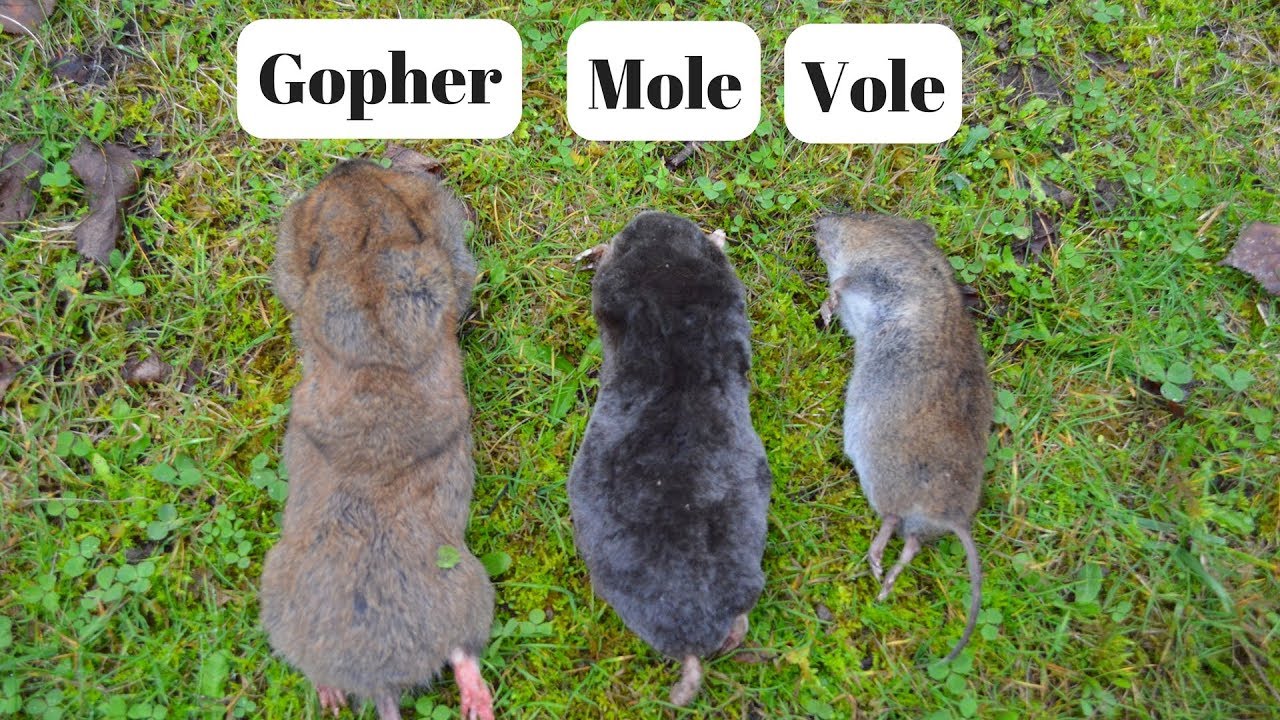
Although ants dig holes they create huge mounds of soil right at the entrance while excavating. Young groundhogs may produce additional holes for practice which can be smaller in diameter. Despite being large garden visitors skunks dig small holes in yards and this is because skunks are animals that burrow with their noses and front claws. Follow the marks to get holes. Burrowing animals are the prime suspects when a homeowner discovers tunnels and holes in the yard. If you notice tunnels or mounds on your lawn it has probably been taken over by a burrowing animal.
 Source: pinterest.com
Use the links above the graphic to find more information about many of the offenders and be sure to check out our Problem Wildlife page for more details on other wildlife conflicts around homes and farms. Rodent holes will be clean and smooth with noticeable oils from rodents fur. Some such as moles create complex tunnel systems while others such as rats dig burrows in which to hide. Odor not always present. How do you tell if an animal hole is active.
 Source: pinterest.com
Lizard holes in comparison are slightly triangular with a flat ish bottom ad the animals pushes the dirt out around the sides in. Carry a small measuring tape. Often hole size can help in identification. Mouse holes congested with debris and stone. One-fourth inch diameter mound two inches high wide several in middle of the lawn.
 Source: pinterest.com
Despite being large garden visitors skunks dig small holes in yards and this is because skunks are animals that burrow with their noses and front claws. If you say no holes in my yard with no mounds then its okay since someone dont create mound. Carry a small measuring tape. If you notice tunnels or mounds on your lawn it has probably been taken over by a burrowing animal. Follow the marks to get holes.
 Source: pinterest.com
Look for shed hair or hair caught on sharp objects like rocks and tree roots around the hole opening to identify the occupant. Groundhog holes may be located near trees walls or fences. But yard damage alone doesnt help you identify which animal and you need to know. To identify animal holes and burrows use a website such as the Internet Center for Wildlife Damage Management which provides a ground hole identification tool. Inspected for the presence of young animals at the burrow entrance.
 Source: pinterest.com
1 inch diameter two inches high and made from balls of mud near creek. You can identify whether mice rats chipmunks voles groundhogs gophers and other rodents plus a host of burrowing non-rodents have made holes in. Use a mirror to reflect sunlight into the hole instead of putting your face near the hole to see inside it. Inspected for the presence of young animals at the burrow entrance. Chipmunk holes will be 15 inches with no dirt on the outside.
 Source: pinterest.com
Inspected for animal droppings. Follow the marks to get holes. You can identify whether mice rats chipmunks voles groundhogs gophers and other rodents plus a host of burrowing non-rodents have made holes in. Diagnosing Holes in the Yard. Each burrow opening is between 10 to 12 inches in diameter and is generally marked by a crescent-shaped mound of dirt.
 Source: ar.pinterest.com
An animal burrow serves as a shelter and a temporary place of refuge from predators and. In this regard how do you identify burrowing animal holes. The University of Illinois Extension also offers identification images showing the types of animals causing problems by burrowing holes. No hole mound two inches high wide several in middle of the lawn. This guide helps diagnose whats digging tunneling feeding and otherwise disturbing turf grasses.
 Source: pinterest.com
Small holes outside the home near foundations or. Burrowing animals are the prime suspects when a homeowner discovers tunnels and holes in the yard. In this regard how do you identify burrowing animal holes. Although ants dig holes they create huge mounds of soil right at the entrance while excavating. The beam is far brighter than that of a flashlight.
Source: pinterest.com
Mammal burrows tend to be slightly oval in shape as the animal pushes the dirt out between its back legs. No hole mound two inches high wide several in middle of the lawn. Mouse holes congested with debris and stone. A hole 3 to 4 inches in diameter measured from top to bottom not side to side may be a skunk. Often under sheds porches and other covered and dark crawl spaces.
 Source: pinterest.com
Many kinds of small animals such as moles voles chipmunks and rats make holes in the groundSome such as moles create complex tunnel systems while others such as rats dig burrows in which to hide. It is common to see flies around the entrance of an active woodchuck burrow. 1 inch diameter two inches high and made from balls of mud near creek. If you notice tunnels or mounds on your lawn it has probably been taken over by a burrowing animal. How do you identify burrowing animal holes.
 Source: pinterest.com
Because skunks dig with their noses and front claws the holes that are formed are shallow with loose soil around the edges. This guide helps diagnose whats digging tunneling feeding and otherwise disturbing turf grasses. How do you tell if an animal hole is active. Step 7 Note any buildup of sand or soil outside the entrance of the burrow. Rodent holes will be clean and smooth with noticeable oils from rodents fur.
 Source: pinterest.com
Young groundhogs may produce additional holes for practice which can be smaller in diameter. Burrowing animals are the prime suspects when a homeowner discovers tunnels and holes in the yard. Mammal burrows tend to be slightly oval in shape as the animal pushes the dirt out between its back legs. You can identify whether mice rats chipmunks voles groundhogs gophers and other rodents plus a host of burrowing non-rodents have made holes in. If you say no holes in my yard with no mounds then its okay since someone dont create mound.
 Source: pinterest.com
One-fourth inch diameter mound two inches high wide several in middle of the lawn. Use the links above the graphic to find more information about many of the offenders and be sure to check out our Problem Wildlife page for more details on other wildlife conflicts around homes and farms. Odor not always present. A hole 3 to 4 inches in diameter measured from top to bottom not side to side may be a skunk. Den doesnt always have two holes but one hole will have a dirt porch in front of it as shown in the photo at right.
 Source: pinterest.com
Ants are some of the most common burrowing creatures. Small holes outside the home near foundations or. Smaller burrows three inches or less in diameter are usually made by chipmunks thirteen-lined ground squirrels voles crayfish or snakes. Den doesnt always have two holes but one hole will have a dirt porch in front of it as shown in the photo at right. Inspected for animal droppings.
 Source: pinterest.com
Burrowing animals are the prime suspects when a homeowner discovers tunnels and holes in the yard. Young groundhogs may produce additional holes for practice which can be smaller in diameter. Some such as moles create complex tunnel systems while others such as rats dig burrows in which to hide. Lizard holes in comparison are slightly triangular with a flat ish bottom ad the animals pushes the dirt out around the sides in. Odor not always present.
 Source: pinterest.com
If you find seeds seed husks and grass clippings then you have likely identified a ground squirrel burrow. One-fourth inch diameter mound two inches high wide several in middle of the lawn. Although ants dig holes they create huge mounds of soil right at the entrance while excavating. Inspected for the presence of young animals at the burrow entrance. Burrows may have connecting tunnels that are about 6 inches in diameter.
 Source: pinterest.com
1 inch diameter soil thinly scattered around hole edge of the yard. Use the links above the graphic to find more information about many of the offenders and be sure to check out our Problem Wildlife page for more details on other wildlife conflicts around homes and farms. This guide helps diagnose whats digging tunneling feeding and otherwise disturbing turf grasses. Carry a small measuring tape. Burrows may have connecting tunnels that are about 6 inches in diameter.
 Source: pinterest.com
Some such as moles create complex tunnel systems while others such as rats dig burrows in which to hide. Young groundhogs may produce additional holes for practice which can be smaller in diameter. But yard damage alone doesnt help you identify which animal and you need to know. Ants feed on everything from sugar fruits meats seeds vegetables and fungi. The beam is far brighter than that of a flashlight.
This site is an open community for users to do submittion their favorite wallpapers on the internet, all images or pictures in this website are for personal wallpaper use only, it is stricly prohibited to use this wallpaper for commercial purposes, if you are the author and find this image is shared without your permission, please kindly raise a DMCA report to Us.
If you find this site adventageous, please support us by sharing this posts to your own social media accounts like Facebook, Instagram and so on or you can also bookmark this blog page with the title how do you identify burrowing animal holes by using Ctrl + D for devices a laptop with a Windows operating system or Command + D for laptops with an Apple operating system. If you use a smartphone, you can also use the drawer menu of the browser you are using. Whether it’s a Windows, Mac, iOS or Android operating system, you will still be able to bookmark this website.


