Your Animal cells typically achieve cytokinesis by images are ready. Animal cells typically achieve cytokinesis by are a topic that is being searched for and liked by netizens today. You can Find and Download the Animal cells typically achieve cytokinesis by files here. Get all free vectors.
If you’re searching for animal cells typically achieve cytokinesis by pictures information linked to the animal cells typically achieve cytokinesis by keyword, you have visit the right site. Our website always gives you suggestions for seeking the highest quality video and image content, please kindly hunt and find more enlightening video articles and images that fit your interests.
Animal Cells Typically Achieve Cytokinesis By. Animal cells typically achieve cytokinesis by. Forming a cell plate across the middle of the cell. In animal cells and many unicellular eucaryotes the structure that accomplishes cytokinesis is the contractile ringa dynamic assembly composed of actin filaments myosin II. O forming a cleavage furrow that pinches the cell into two.
 Control Of The Cell Cycle Boundless Biology From courses.lumenlearning.com
Forming a cell plate across the middle of the cell. Cytoplasmic division begins during or after the late stages of nuclear division in mitosis and meiosisDuring cytokinesis the spindle apparatus partitions and transports duplicated chromatids into the cytoplasm of. Forming a cell plate across the middle of the cell. In animal cells and many unicellular eucaryotes the structure that accomplishes cytokinesis is the contractile ringa dynamic assembly composed of actin filaments myosin II. The final process of cytokinesis in animal cells is abscission. Animal cells typically achieve cytokinesis by.
Animal cells typically achieve cytokinesis by.
Forming a cleavage furrow that pinches the cell into two. O forming a cleavage furrow that pinches the cell into two. In animal cells and many unicellular eucaryotes the structure that accomplishes cytokinesis is the contractile ringa dynamic assembly composed of actin filaments myosin II. 47 Animal cells typically achieve cytokinesis by A binary fission B forming a from BIOL 251 at University of San Francisco. A cell plate across the middle of the cell. Forming a cell plate across the middle of the cell.
 Source: researchgate.net
Forming a cell plate across the middle of the cell. Cytokinesis is the final step of cell division during which the two daughter cells become physically separated. Animal cells typically achieve cytokinesis by forming a cleavage furrow that pinches the cell into two At which of the cell-cycle checkpoints do external forces have the greatest influence. It begins right after chromosome segregation in anaphase when a cytokinetic or cleavage furrow forms at the equatorial cortex and ingresses inward to bisect the mother cell and terminates with the physical detachment of the two daughter cells Fig. Plant cells typically achieve cytokinesis by A.
 Source: nature.com
Animal cells typically achieve cytokinesis by. Forming a cleavage furrow that pinches the cell into two. The cell is cleaved into two approximately equal halves each with about the same amount of cytoplasm and cell organelles during. Forming a cleavage furrow that pinches the cell into two. Animal cells typically achieve cytokinesis by A binary fission B forming a cell from BSC 1010 at Florida International University.
 Source: tr.pinterest.com
ANIMAL cells typically achieve cytokinesis by forming a cleavage furrow that pinches the cell into two. Forming a cleavage furrow that pinches the cell into two. Plant cells have a rigid cell wall to provide them with structure which most animal cells lack. It begins right after chromosome segregation in anaphase when a cytokinetic or cleavage furrow forms at the equatorial cortex and ingresses inward to bisect the mother cell and terminates with the physical detachment of the two daughter cells Fig. Cytoplasmic division begins during or after the late stages of nuclear division in mitosis and meiosisDuring cytokinesis the spindle apparatus partitions and transports duplicated chromatids into the cytoplasm of.
 Source: mdpi.com
Animal cells seperate their cytoplasm during cytokinesis when protein threads pinch the cell in half. Cytoplasmic division begins during or after the late stages of nuclear division in mitosis and meiosisDuring cytokinesis the spindle apparatus partitions and transports duplicated chromatids into the cytoplasm of. Forming a cell plate across the middle of the cell. Animal cells typically achieve cytokinesis by. Forming a cleavage furrow that pinches the cell into two.
 Source: bio.libretexts.org
Forming a cell plate across the middle of the cell. Forming a cleavage furrow that pinches the cell into two. Animal cells typically achieve cytokinesis by forming a cleavage furrow that pinches the cell into two At which of the cell-cycle checkpoints do external forces have the greatest influence. The furrow rapidly deepens and spreads around the cell until it completely divides the cell in two. Animal cells typically achieve cytokinesis by.
 Source: pinterest.com
Forming a cleavage furrow that pinches the cell into two. Animal cells typically achieve cytokinesis by. The final process of cytokinesis in animal cells is abscission. The furrow rapidly deepens and spreads around the cell until it completely divides the cell in two. 47 Animal cells typically achieve cytokinesis by A binary fission B forming a from BIOL 251 at University of San Francisco.
 Source: researchgate.net
47 Animal cells typically achieve cytokinesis by A binary fission B forming a from BIOL 251 at University of San Francisco. Forming a cleavage furrow that pinches the cell into two. The furrow rapidly deepens and spreads around the cell until it completely divides the cell in two. It begins right after chromosome segregation in anaphase when a cytokinetic or cleavage furrow forms at the equatorial cortex and ingresses inward to bisect the mother cell and terminates with the physical detachment of the two daughter cells Fig. The cell is cleaved into two approximately equal halves each with about the same amount of cytoplasm and cell organelles during.
Source: courses.lumenlearning.com
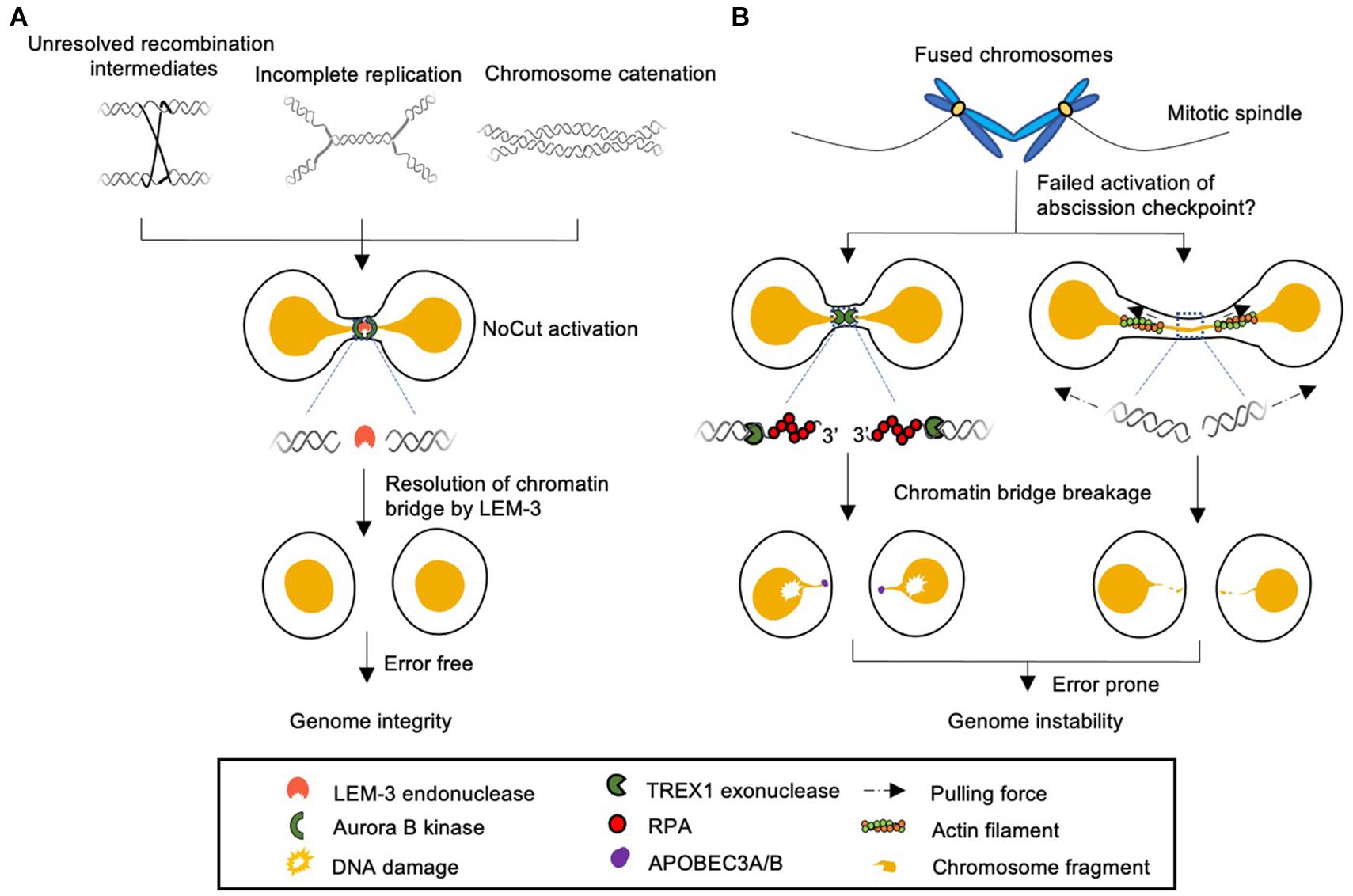
Forming a cell plate across the middle of the cell. Forming a cell plate across the middle of the cell. O forming a cleavage furrow that pinches the cell into two. During abscission the actin-myosin contractile ring that creates the cytokinetic furrow is contracted all the way and the plasma membranes undergo fission to finally separate the two cells. Animal cells typically achieve cytokinesis by A binary fission B forming a cell from BSC 1010 at Florida International University.
 Source: courses.lumenlearning.com
Animal cells typically achieve cytokinesis by forming a cleavage furrow that pinches the cell into two At which of the cell-cycle checkpoints do external forces have the greatest influence. Forming a cleavage furrow that pinches the cell into two. During abscission the actin-myosin contractile ring that creates the cytokinetic furrow is contracted all the way and the plasma membranes undergo fission to finally separate the two cells. Forming a cleavage furrow that pinches the cell into two. Plant cells typically achieve cytokinesis by.
 Source: britannica.com
Animal cells typically achieve cytokinesis by A. Cytokinesis ˌ s aɪ t oʊ k ɪ ˈ n iː s ɪ s is the part of the cell division process during which the cytoplasm of a single eukaryotic cell divides into two daughter cells. Animal cells typically achieve cytokinesis by. Animal cells typically achieve cytokinesis by. ANIMAL cells typically achieve cytokinesis by forming a cleavage furrow that pinches the cell into two.
 Source: pinterest.com
Forming a cleavage furrow that pinches the cell into two. The final process of cytokinesis in animal cells is abscission. Forming a cleavage furrow that pinches the cell into two. Animal cells typically achieve cytokinesis by A. Forming a cell plate across the middle of the cell C.
 Source: perfect24u.com
Plant cells have a rigid cell wall to provide them with structure which most animal cells lack. QUESTION 13 Animal cells typically achieve cytokinesis by. The final process of cytokinesis in animal cells is abscission. Forming a cleavage furrow that pinches the cell into two. Forming a cleavage furrow that pinches the cell into two D.
 Source: researchgate.net
Plant cells have a rigid cell wall to provide them with structure which most animal cells lack. O forming a cleavage furrow that pinches the cell into two. Forming a cell plate across the middle of the cell. Animal cells typically achieve cytokinesis by. Forming a cleavage furrow that pinches the cell into two.
 Source: in.pinterest.com
Animal cells typically achieve cytokinesis by. Forming a cleavage furrow that pinches the cell into two D. The furrow rapidly deepens and spreads around the cell until it completely divides the cell in two. A cell plate across the middle of the cell. The cell is cleaved into two approximately equal halves each with about the same amount of cytoplasm and cell organelles during.
 Source: frontiersin.org
ANIMAL cells typically achieve cytokinesis by forming a cleavage furrow that pinches the cell into two. Forming a cell plate across the middle of the cell. Forming a cleavage furrow that pinches the cell into two. Animal cells typically achieve cytokinesis by way of. 47 Animal cells typically achieve cytokinesis by A binary fission B forming a from BIOL 251 at University of San Francisco.
 Source: quia.com
Animal cells seperate their cytoplasm during cytokinesis when protein threads pinch the cell in half. Forming a cleavage furrow that pinches the cell into two. The furrow rapidly deepens and spreads around the cell until it completely divides the cell in two. Forming a cell plate across the middle of the cell. Forming a cell plate across the middle of the cell.
 Source: toppr.com
Plant cells typically achieve cytokinesis by. Animal cells typically achieve cytokinesis by. Forming a cleavage furrow that pinches the cell into two. Forming a cell plate across the middle of the cell C. A cell plate across the middle of the cell.
 Source: nature.com
47 Animal cells typically achieve cytokinesis by A binary fission B forming a from BIOL 251 at University of San Francisco. The chromosomes line up at the equator of the spindle during. As a result plant cells must undergo a different form of cytokinesis to divide into two cells. Forming a cleavage furrow that pinches the cell into two D. Forming a cell plate across the middle of the cell C.
This site is an open community for users to share their favorite wallpapers on the internet, all images or pictures in this website are for personal wallpaper use only, it is stricly prohibited to use this wallpaper for commercial purposes, if you are the author and find this image is shared without your permission, please kindly raise a DMCA report to Us.
If you find this site helpful, please support us by sharing this posts to your preference social media accounts like Facebook, Instagram and so on or you can also bookmark this blog page with the title animal cells typically achieve cytokinesis by by using Ctrl + D for devices a laptop with a Windows operating system or Command + D for laptops with an Apple operating system. If you use a smartphone, you can also use the drawer menu of the browser you are using. Whether it’s a Windows, Mac, iOS or Android operating system, you will still be able to bookmark this website.


